

Horse Bit Guide: A Comprehensive Overview (Updated 05/04/2026)
Embarking on equine partnership requires understanding crucial tools; this guide illuminates the world of horse bits, aiding informed decisions for training and comfort.
Horse bits represent a fundamental aspect of communication between rider and equine partner, serving as a crucial element within the bridle. They translate subtle rein cues into signals the horse understands, influencing direction, speed, and overall responsiveness. Selecting the appropriate bit is paramount, as it directly impacts the horse’s comfort, willingness, and ability to perform.
Understanding the diverse range of bit types – from simple snaffles to more complex leverage bits – is essential for any horse owner or rider. This guide aims to demystify the world of horse bits, providing a comprehensive overview of their history, construction, and proper use. We will explore how bits function, the effects of different designs, and how to choose a bit that best suits your horse’s individual needs and training level, ultimately fostering a harmonious partnership.
What is a Horse Bit and Why is it Used?
A horse bit is a component of a bridle, placed within the horse’s mouth, and connected to the reins. Its primary function isn’t to force compliance, but to facilitate clear communication. By applying gentle pressure to the tongue, bars, and corners of the mouth, the bit allows the rider to convey subtle cues. These cues translate into requests for changes in direction, speed, or gait.
Historically, bits evolved from simple ropes to sophisticated metal designs. Today, they are indispensable for training, riding, and controlling a horse. The correct bit encourages the horse to respond willingly, promoting a soft and balanced connection. Choosing the right bit minimizes discomfort and maximizes understanding, building trust and enhancing the partnership between horse and rider.
The History of Horse Bits
The earliest forms of horse control didn’t involve bits at all, relying on neck ropes and pressure. Archaeological evidence suggests the first rudimentary bits appeared around 2000 BC in the Near East, crafted from bone, wood, or ivory. These early bits were likely quite harsh, functioning more as restraints than communication tools.
Over centuries, bit design evolved alongside horsemanship. The Greeks refined bit construction, utilizing metal – initially bronze, then iron – for greater durability and control. Romans further developed bit technology, introducing more complex designs. Throughout the Middle Ages, bits became increasingly ornate, reflecting status alongside function. Modern bit development focuses on refining designs for improved horse comfort and clearer communication, moving away from purely forceful methods.

Types of Horse Bits: A Detailed Breakdown
Exploring diverse bit categories – snaffles, leverage, and combinations – reveals how each design influences communication and control during riding and training sessions.
Snaffle Bits
Snaffle bits represent a foundational category, directly impacting the horse’s mouth with a relatively simple action. These bits are characterized by a single or double joint, and typically feature reins attaching directly to the bit rings. They exert pressure across the tongue, bars, and corners of the mouth, encouraging the horse to yield to the rider’s cues.
Snaffles are often the first bit introduced to young horses due to their milder action, promoting soft and clear communication. Their direct rein action allows for precise signals, making them suitable for various disciplines and training levels. However, the effectiveness of a snaffle relies heavily on the rider’s skilled hands and consistent application of aids. Different variations within the snaffle category cater to varying levels of sensitivity and training progression.
Single Jointed Snaffle Bits
Single-jointed snaffle bits, a classic design, feature a single hinge in the mouthpiece’s center. This joint allows for some flexion, creating a more direct pressure on the tongue when the rein is engaged. They are generally considered a more assertive snaffle compared to double-jointed versions, offering a clearer signal to the horse.
These bits are frequently used for horses needing a bit more guidance or those who are slightly heavier on the forehand. The single joint can encourage the horse to lift its back and engage its hindquarters. However, due to their direct action, they require a sensitive rider to avoid harshness. Careful consideration of the horse’s temperament and training stage is crucial when selecting this type of bit.
Double Jointed Snaffle Bits
Double-jointed snaffle bits are characterized by two hinges in the mouthpiece, creating three separate sections. This design distributes pressure across the tongue, bars, and palate, offering a softer and more nuanced communication with the horse. They are often favored for horses with smaller mouths or those sensitive to pressure.
The independent movement of the mouthpiece sections allows for a more forgiving contact, reducing the risk of palate pressure. This makes them a popular choice for young horses or those in early stages of training. Double-jointed snaffles encourage self-carriage and a relaxed jaw. However, a rider must maintain consistent contact to effectively utilize the bit’s subtle signals.
Elastic/Flexible Snaffle Bits
Elastic, or flexible, snaffle bits incorporate a central link or material designed to flex and yield to the horse’s mouth. These bits aim to provide a more forgiving and comfortable experience, encouraging acceptance of the bit and softening the horse’s response. They often feature a rubber or plastic insert within the mouthpiece, enhancing flexibility and reducing harshness.

The dynamic nature of these bits can be particularly beneficial for horses learning to yield to pressure or those exhibiting resistance. However, some riders find they offer less precise communication due to the bit’s movement. It’s crucial to ensure the elastic component is of high quality and doesn’t become overly stretched or damaged, compromising its effectiveness.
Leverage Bits (Shank Bits)
Leverage bits, commonly known as shank bits, utilize shanks extending from the mouthpiece to apply pressure not only on the corners of the mouth but also on the poll and chin groove. This creates a leverage effect, amplifying even subtle rein aids. These bits are generally used by more experienced riders and horses, as they require a sensitive and skilled hand to avoid harshness.
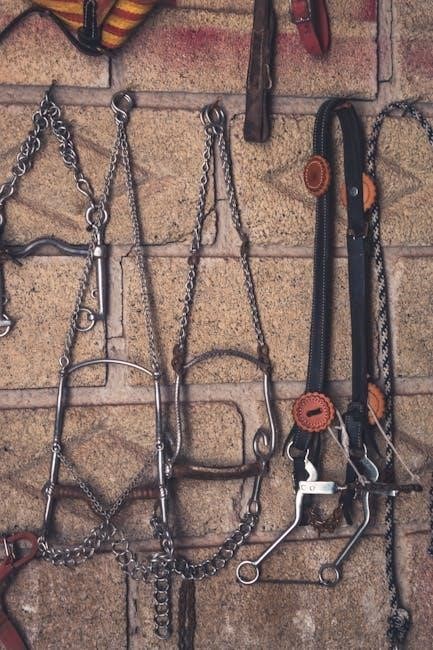
The length of the shanks directly influences the amount of leverage; longer shanks provide greater leverage. Shank bits come in various configurations, including tom thumbs, cheeks, and pelhams, each offering a unique pressure distribution. Careful consideration of the horse’s training level and temperament is vital when choosing a leverage bit.
Tom Thumb Bits
Tom thumb bits represent a shorter-shanked variation within the leverage bit category, offering a milder degree of leverage compared to longer-shanked options. Characterized by their short, stubby shanks, these bits apply pressure to the corners of the mouth, poll, and chin groove, but with less intensity. They are often considered a stepping stone for horses transitioning from snaffle bits to more advanced leverage systems.
Tom thumbs can be suitable for horses needing a bit more direction or those who are sensitive to stronger bit pressures. However, even with their milder action, a skilled rider is essential to ensure balanced and effective communication. Improper use can still lead to discomfort or confusion for the horse.
Cheek Bits

Cheek bits are a type of leverage bit distinguished by their shanks that extend down and connect to the cheekpieces of the bridle. This design creates leverage, amplifying the pressure applied by the rider’s hands. The degree of leverage varies depending on the shank length; longer shanks provide more leverage, while shorter shanks offer a milder effect.
Cheek bits work by applying pressure to the corners of the mouth, the poll, and the chin groove. They are often used for horses requiring more guidance or those who respond well to clear signals. Riders must exercise caution, as excessive pressure can cause discomfort. Careful adjustment and a sensitive rider are crucial for effective communication.
Pelham Bits
Pelham bits represent a versatile category within leverage bits, offering a combined action that influences the poll, mouth, and chin. Characterized by curved shanks with slots for curb chains, Pelhams provide a distinct feel compared to other shanked bits. They can be used with two reins – one attached to the bit’s mouthpiece and another to the shank – or with a single rein in a Pelham setup.
The Pelham’s action encourages collection and responsiveness. However, due to their complexity, they require a skilled rider to avoid harshness. Proper adjustment of the curb chain is vital; too tight restricts airflow, while too loose diminishes effectiveness. Pelhams are frequently employed in disciplines demanding precise control.
Combination Bits
Combination bits, as the name suggests, blend the features of a snaffle and a curb bit into a single unit. Typically, they feature a center snaffle mouthpiece alongside shanks and curb chains, offering a multifaceted action. This design aims to provide both direct rein pressure on the mouth and leverage control through the poll and chin groove.
These bits are often favored by riders seeking a more communicative and nuanced connection with their horse. They can be a useful transition tool for horses moving from a snaffle to a more advanced bit. However, like all leverage bits, careful adjustment and a skilled rider are essential to prevent discomfort or misuse.
Bitless Bridles: An Alternative
For horse owners seeking alternatives to traditional bits, bitless bridles offer a compelling option. These bridles operate on pressure points other than the mouth, typically utilizing the horse’s poll, nose, and jaw. Several designs exist, including sidepulls, cross-under bridles, and bosals, each applying pressure in a unique manner.
Bitless bridles can be particularly suitable for horses with mouth sensitivities or injuries, or for riders who prefer a more natural approach to communication. However, it’s crucial to understand that bitless doesn’t equate to ‘easier’; they require skillful riding and careful fitting to ensure effective and humane control. Transitioning to bitless requires patience and observation.

Bit Materials and Construction
Bits are crafted from diverse materials like steel, stainless steel, copper, and titanium, each impacting weight, taste, and corrosion resistance, influencing horse acceptance.
Metal Types (Steel, Stainless Steel, Copper, Titanium)
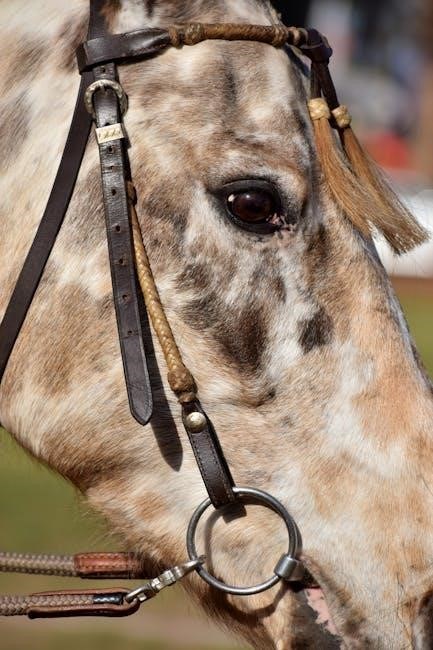
The choice of metal significantly impacts a bit’s feel, weight, and even its taste, influencing a horse’s acceptance. Steel is a traditional, affordable option, but prone to rust and corrosion, potentially leaving a metallic taste. Stainless steel offers superior durability and resistance to corrosion, making it a popular, low-maintenance choice.
Copper is often favored for young horses or those needing encouragement, as its taste is generally appealing, promoting relaxation and salivation. However, excessive copper intake can be toxic, so moderation is key. Finally, Titanium is incredibly lightweight and strong, offering a subtle feel, ideal for sensitive horses or refined riding, but comes at a higher price point. Understanding these nuances allows for a tailored bit selection.
Bit Mouthpiece Shapes and Their Effects
The mouthpiece’s shape profoundly affects pressure distribution and communication. Straight bars exert even pressure across the entire mouth, suitable for horses needing clear, consistent signals. Jointed mouthpieces, with one or two joints, offer more flexibility and encourage the horse to seek the bit, promoting softness.
Ported bits feature an arch in the mouthpiece, increasing leverage and creating space for the tongue, often used for horses with high palates or those needing collection. M-shaped mouthpieces offer a milder port, providing a gentler introduction to leverage. Conversely, snaffle bits with a low port can encourage a lower head carriage. Careful consideration of these shapes ensures appropriate pressure and comfort for the horse.
Bit Ring Types (Loose Ring, Eggbutt, D-Ring)
Bit rings significantly influence bit action and horse response. Loose ring snaffles allow for independent side movement, encouraging a softer, more forgiving contact, ideal for horses still developing. Eggbutt rings are smooth and solid, minimizing pinching and providing a more direct rein aid, suitable for horses needing clear signals.
D-ring snaffles offer a balance between the two – some side movement but with more stability than loose rings. They’re versatile and work well for many horses. Ring thickness also matters; thinner rings offer more subtle cues, while thicker rings provide greater leverage. Choosing the right ring complements the mouthpiece and the horse’s individual needs.
Choosing the Right Bit for Your Horse
Selecting the appropriate bit involves considering your horse’s age, training stage, discipline, and sensitivity, ensuring comfort and effective communication during riding.

Considering Horse Age and Training Level
A young horse, still developing its mouth and understanding of aids, generally benefits from a milder bit – often a simple snaffle. Harshness can create resistance and confusion at this crucial stage. As the horse progresses in training, and demonstrates increased responsiveness and strength, a rider might consider bits offering more subtle communication.
For example, transitioning to a slightly more defined snaffle or exploring leverage bits cautiously. However, it’s vital to avoid escalating bit severity too quickly. A horse consistently struggling with a bit may indicate a training issue, not a need for a stronger one. Experienced horses, well-schooled and balanced, can often work comfortably in a variety of bits, depending on the discipline and rider preference. Always prioritize the horse’s comfort and understanding throughout the process.
Matching the Bit to the Discipline
Different equestrian disciplines often favor specific bit types due to the demands of the sport. Dressage frequently utilizes snaffles or mild leverage bits, prioritizing subtle communication and refinement. Jumping may involve more direct bits, offering greater control over fences, but still requiring precision. Western riding encompasses a broad range, from simple snaffles for pleasure riding to more specialized bits for reining or cutting, demanding responsiveness and quick cues.
Eventing requires versatility, potentially utilizing different bits for each phase. Choosing a bit appropriate for the discipline ensures both horse and rider can perform optimally. However, remember that discipline guidelines are just that – guidelines. Individual horse temperament and training should always be primary considerations.
Recognizing Signs of Bit Discomfort
Identifying discomfort is crucial for a horse’s wellbeing. Watch for subtle signs like excessive chewing, frothing at the mouth, or tongue lolling. Resistance, head shaking, or a consistently tense jaw can also indicate pain or pressure. A horse might open its mouth to avoid the bit, or display sensitivity when the reins are touched.
More overt signs include biting at the bit, rearing, or becoming overly reactive. These behaviors suggest significant discomfort and require immediate attention. Remember, a horse may not always display obvious signs; consistent observation and understanding your horse’s normal behavior are key to detecting subtle changes indicating bit-related issues.

Bit Fitting and Adjustment
Proper fit ensures comfort and clear communication; adjustments impact pressure points, influencing responsiveness and preventing discomfort during riding sessions.
Proper Bit Height and Placement
Achieving correct bit height and placement is fundamental for comfortable and effective communication with your horse. The bit should sit comfortably in the horse’s mouth, creating a gentle pressure point without hitting the upper teeth or palate. Generally, a properly fitted bit allows for one to two wrinkles visible at the corners of the horse’s mouth.
Too high, and the bit can cause discomfort and resistance, potentially damaging the palate. Too low, and it may rest against the tongue, causing irritation and hindering clear signals. Observe the bit’s position during riding, ensuring it remains consistent. Adjust the bridle’s cheekpieces to achieve the optimal height, remembering that individual horse anatomy varies. A professional bit fitter can provide invaluable guidance in determining the ideal placement for your horse’s unique conformation.
Checking for Mouth Sensitivity
Assessing your horse’s mouth sensitivity is crucial before selecting and using a bit. Begin by gently touching the horse’s lips and gums, observing its reaction. A relaxed horse will show minimal response, while a sensitive horse may exhibit tension or flinching. Carefully introduce the bit, noting any signs of discomfort – head shaking, tongue lolling, or resistance to pressure.
Gradually apply gentle pressure, monitoring the horse’s acceptance. Some horses are naturally more sensitive than others, and past experiences can influence their response. If your horse displays significant sensitivity, consider starting with a milder bit and progressing slowly. Always prioritize the horse’s comfort and well-being, seeking professional guidance if needed to ensure a positive riding experience.
Working with a Professional Bit Fitter
Engaging a qualified bit fitter offers invaluable expertise in achieving optimal bit fit and comfort for your horse. A professional will assess your horse’s conformation, bridle fit, and riding style to recommend appropriate bit options. They’ll meticulously evaluate bit placement, ensuring correct height and avoiding pressure points within the mouth.
A skilled fitter can identify subtle signs of discomfort often missed by less experienced eyes. They’ll also educate you on recognizing ill-fitting bits and adjusting bridles for a secure, comfortable fit. Investing in a professional fitting can prevent behavioral issues stemming from bit-related discomfort, fostering a happier, more willing partnership with your equine companion.