
Farmers rely on a concise, downloadable guide that outlines nutrient timing, crop‑specific rates, and seasonal windows. The document merges research data with field experience, offering clear tables for quick reference while ensuring compliance with local regulations. It also includes a glossary. fast
How to Obtain the Lesco Fertilizer Schedule PDF
To access the official Lesco Fertilizer Schedule PDF, farmers and agronomists can follow a straightforward process that ensures they receive the most current, region‑specific recommendations. The first step is to visit the Lesco website, where the schedule is hosted in the “Resources” or “Product Information” section. Users must navigate to the “Fertilizer Schedules” page, which typically contains a list of downloadable PDFs for each crop group and growing season. If the site requires a login, a free account can be created with a valid email address and farm registration number. Once logged in, the user can select the desired crop type—such as corn, soybeans, or wheat—and the appropriate year. The PDF is then available for download in standard Adobe Reader format.
In addition to the online portal, Lesco offers the schedule through its mobile app, which provides push notifications for seasonal changes and alerts for local weather events that may affect application timing. The app can be downloaded from the Apple App Store or Google Play Store, and it syncs with the user’s account to keep the schedule updated automatically.
Users can request a printed copy contacting Lesco!
For those preferring a hard copy, Lesco’s team can mail a printed version upon request. Contact details are listed on the website, and requests can be completed via email or phone. The printed schedule is on durable, weather‑resistant paper, suitable for field use. Alternatively, local extension offices often carry Lesco schedule copies and provide guidance on soil tests and local regulations.

Understanding the PDF Format and Key Terms
The Lesco schedule uses a tabular layout with columns for crop, season, and recommended rates. Key terms include NPK ratios, application windows, and soil test adjustments. Each cell contains precise numbers, ensuring clarity for field use. Use for exact planning.
Crop Group Classification
Lesco’s schedule divides crops into three primary groups—vegetables, root crops, and cereals—based on nutrient demand, growth cycle, and field management. Each group has a distinct nitrogen, phosphorus, and potassium (NPK) profile that reflects typical yield goals and soil test baselines. The classification system is designed to streamline application timing, reduce waste, and enhance environmental stewardship.
Lesco’s classification also accounts for regional variations. In zones with cooler springs, the schedule recommends a pre‑plant nitrogen application for all groups, whereas warmer zones shift the first pulse to mid‑spring. This adaptive approach ensures that each crop group receives nutrients at the most critical growth stages, aligning with both agronomic best practices and regulatory guidelines.
By adhering to the crop group classification, growers can apply the correct fertilizer mix, timing, and rate, thereby improving yield, reducing runoff, and maintaining soil health. The PDF provides a quick‑reference table that lists each crop group, its recommended NPK ratio, and the optimal application dates, making field implementation straightforward.
Lesco’s framework also integrates crop rotation considerations, recommending nitrogen‑rich cover crops for fallow periods and specifying when to incorporate organic amendments. By aligning fertilizer schedules with rotation cycles, producers can mitigate soil erosion, enhance microbial activity, and achieve highyield gains.

Seasonal Application Timing
Lesco’s PDF outlines a precise calendar that aligns fertilizer pulses with critical growth stages for each crop group. The schedule is divided into three main periods: pre‑plant, vegetative, and pre‑harvest. For vegetables, the first nitrogen application occurs 2–4 weeks before planting, followed by a split that coincides with the first true leaf stage. Root crops receive a larger initial dose, then a secondary application timed to root development peaks. Cereals are treated with a basal dose at planting, a top‑dress at stem elongation, and a final pre‑harvest spike during grain filling to maximize yield potential.
Timing is adjusted by region and climate. In cooler zones, the pre‑plant pulse is moved to late winter to avoid nitrogen loss, while warmer zones schedule the first application in early spring. Lesco recommends using soil temperature sensors to fine‑tune the dates, ensuring that the fertilizer is available when the crop’s demand is highest. The PDF also provides a “no‑apply” window during heavy rainfall periods to prevent leaching and surface runoff.
Each application window is accompanied by a recommended rate, expressed as pounds per acre, and a method of application—broadcast, banded, or fertigation. The document emphasizes the importance of integrating cover crop break‑downs and residue management into the timing plan, as these practices influence nitrogen availability and soil moisture retention. By following the seasonal timing guidelines, growers can achieve optimal nutrient use efficiency, reduce environmental impact, and maintain compliance with local regulations!
Annual reviews align rates with crop performance. Now.

Crop-Specific Application Guidelines
Lesco’s PDF details crop‑specific rates, split schedules. Vegetables get a split N dose at 2‑4 weeks pre‑plant and a top‑dress at true‑leaf. Root crops receive a basal and a mid‑growth pulse. Cereals get basal, stem‑elongation, and pre‑harvest spikes. Use the PDF’s tables for split ratios and timingnow.
Vegetable Crops
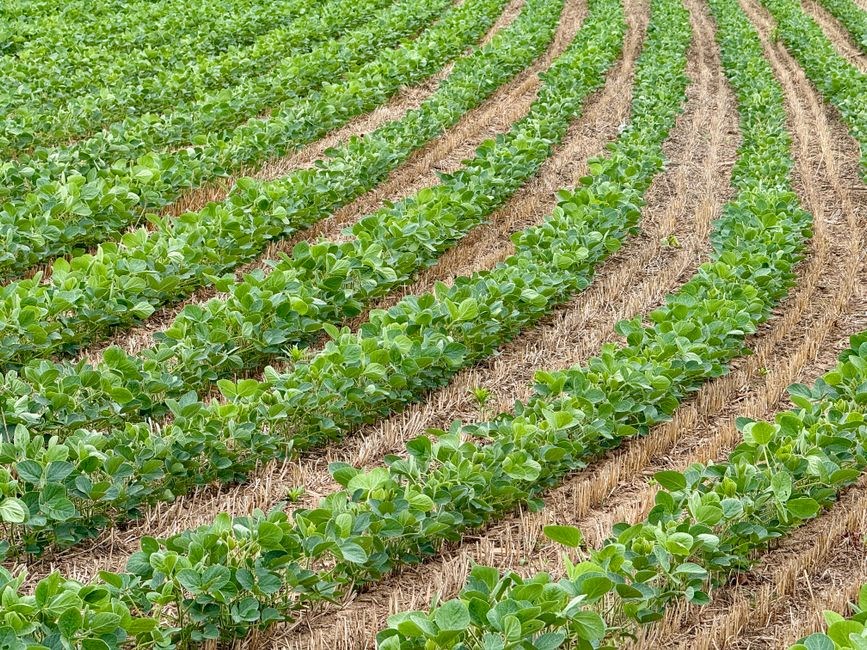
Lesco’s PDF recommends a staged nitrogen strategy for leafy greens, tomatoes, peppers, and root vegetables. For leafy greens, a 4:1:1 split (70% basal, 20% mid‑growth, 10% pre‑harvest) aligns with rapid leaf expansion. Tomatoes receive a 5:3:2 split, with the first dose at transplant, a second at the first true leaf, and a final pulse 2–3 weeks before fruit set. Peppers follow a 6:2:2 schedule, emphasizing a strong basal dose to support root development. Root crops such as carrots and beets are advised a 3:3:4 split, with the first application at planting, a second during the early tuber stage, and a final top‑dress just before harvest to maximize root size. The PDF also stresses the importance of matching application timing to the crop’s phenological stage and local weather patterns, recommending early morning or late evening applications to reduce volatilization. Foliar feeding is suggested for micronutrient deficiencies, with a 0.5% zinc sulfate solution applied at the 4‑leaf stage for tomatoes and peppers. The document includes a table of recommended rates per acre for each vegetable type, ensuring that growers can calculate precise application amounts based on their equipment and field size. Additionally, Lesco advises integrating soil test results to adjust nitrogen rates, particularly in high‑pH soils where nitrogen availability may be limited. By following these guidelines, growers can achieve optimal yields while minimizing environmental impact.This schedule is annually to reflect new research.Benefit growers.

Root Crops
Lesco’s PDF outlines a three‑stage nitrogen program for root vegetables such as carrots, beets, potatoes, radishes, turnips, onions, and garlic. The first basal dose (≈70 % of the total N) is applied at planting to support early root initiation. A second mid‑season pulse (≈20 %) coincides with the onset of tuber enlargement, while the final top‑dress (≈10 %) is timed 2–3 weeks before harvest to lock in yield and quality. Phosphorus and potassium follow a similar 4:3:3 split, ensuring adequate root development and disease resistance. The PDF provides specific rate tables (lb / acre) for each crop, adjusted for soil test results and local climate. For example, carrots require 120 lb N / acre, 80 lb P₂O₅ / acre, and 90 lb K₂O / acre, split as described. Potatoes need a higher potassium load (≈150 lb K₂O / acre) to reduce scab incidence. Micronutrients such as zinc (0.5 lb Zn / acre) and boron (0.2 lb B / acre) are recommended at the second application to address common deficiencies. The guide stresses the importance of matching application timing to crop phenology and local weather, recommending early morning or late evening sprays to minimize volatilization. It also advises integrating cover crops and organic matter to improve soil structure, reduce leaching, and enhance nutrient availability. By following Lesco’s split‑application framework, growers can achieve optimal root size, flavor, and marketability while maintaining environmental stewardship.
The schedule also lists recommended buffer zones to protect nearby waters.
Cereals and Grasses
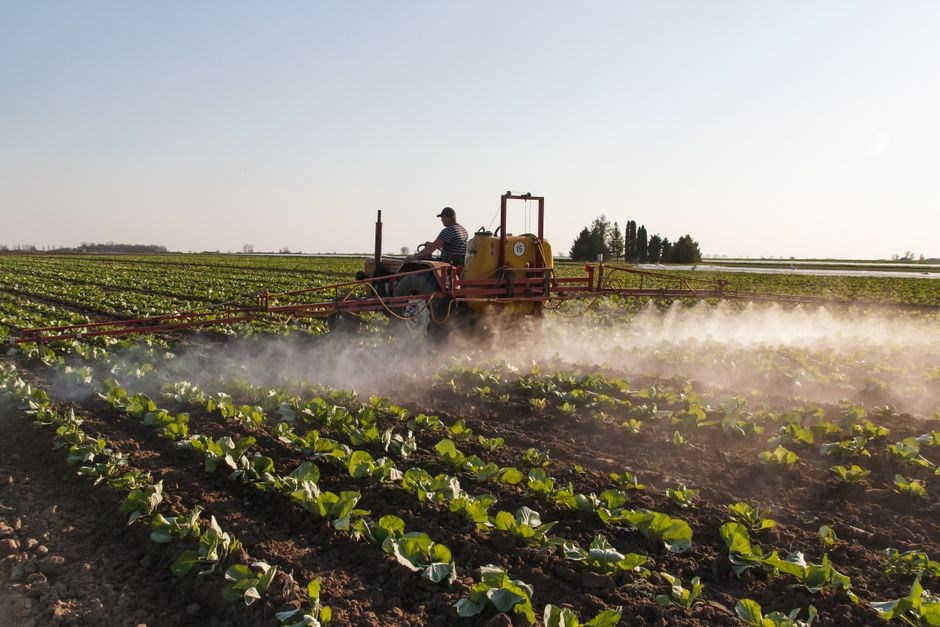
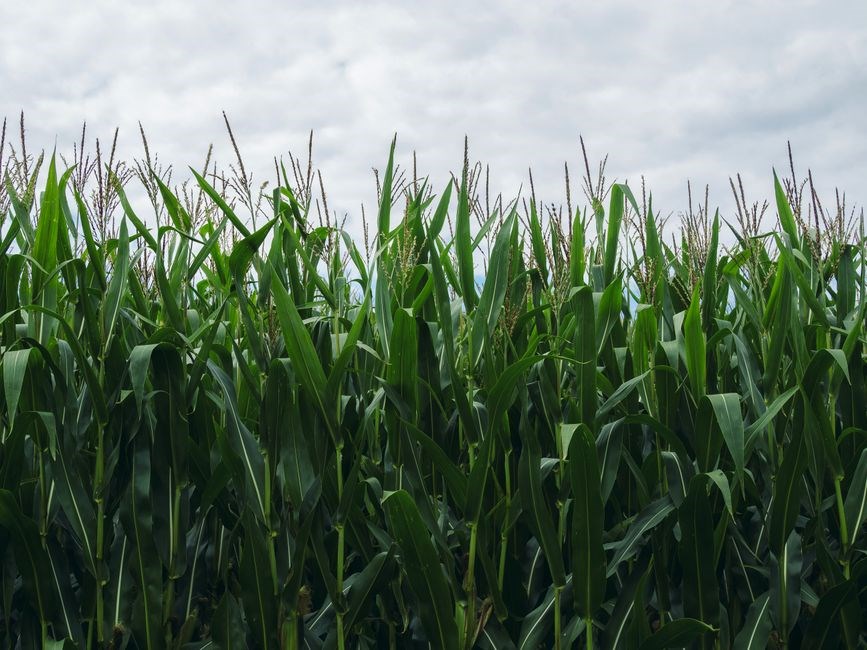
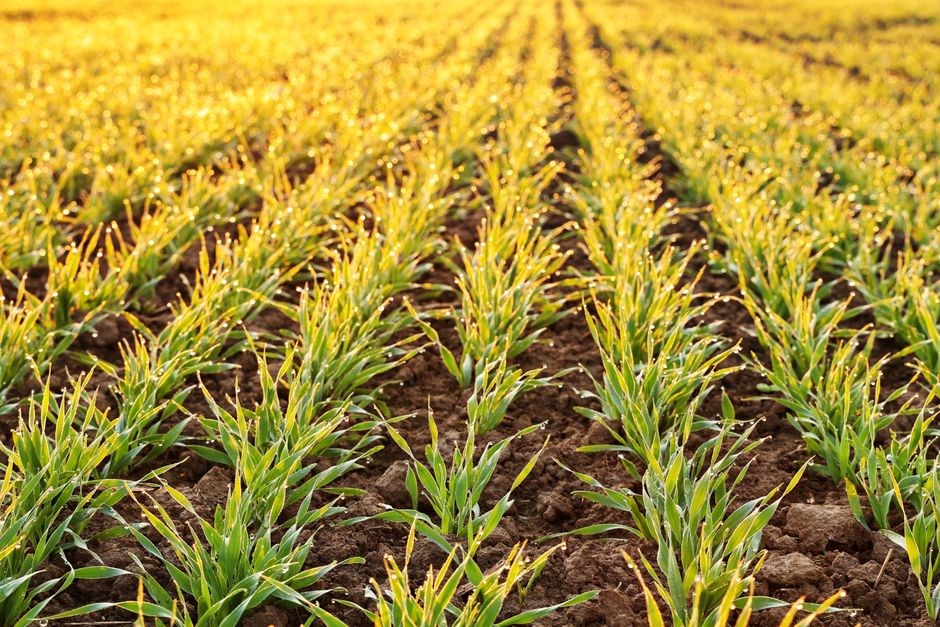
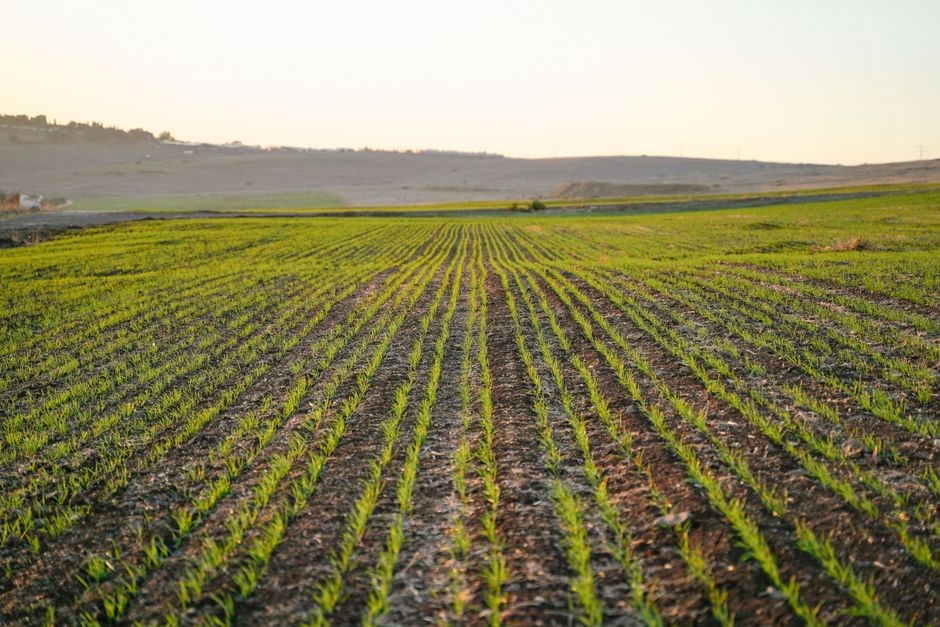
Lesco’s PDF presents a four‑phase nitrogen strategy for major cereals and grasses—corn, wheat, barley, oats, rye, and turf varieties. The first basal dose (≈50 % of the total N) is applied at planting to support tillering and early leaf expansion. The second mid‑season pulse (≈30 %) coincides with stem elongation or the onset of heading, depending on the crop’s phenological stage. The third application (≈15 %) is timed to the boot or flag leaf stage, ensuring sufficient nitrogen for grain filling. The final top‑dress (≈5 %) is applied just before maturity and improves grain quality. Phosphorus and potassium are split 4:3:2:1 across the same four stages, providing root development, disease resistance, and grain filling support. The PDF includes crop‑specific tables that list recommended rates (lb / acre) and application dates based on local soil test results and regional climate. For example, corn requires 140 lb N / acre, 80 lb P₂O₅ / acre, and 120 lb K₂O / acre, split as 70/30/15/5 for N, 40/30/20/10 for P, and 60/30/15/5 for K. Wheat needs 110 lb N / acre, 70 lb P₂O₅ / acre, and 90 lb K₂O / acre, split 60/25/10/5 for N, 35/25/15/5 for P, and 45/20/10/5 for K. The guide stresses matching application timing to crop growth stages and weather patterns to reduce volatilization and leaching. It also recommends integrating cover crops, organic amendments, and precision‑drilling techniques to enhance nutrient use efficiency and soil health. By following Lesco’s split‑application framework, producers can achieve optimal grain yield, quality, and environmental stewardship. The PDF also emphasizes timing and rate adjustments to meet local environmental standards while boosting yield!
Soil Test Integration and Environmental Safety
Lesco’s PDF links soil test data to split‑application rates, adjusting N, P, K per lab results. It advises buffer zones, timing to avoid runoff, and leaching thresholds. The guide promotes precision, compliance, and sustainable nutrient management.!!
Incorporating Soil Test Results
Lorem ipsum dolor sit amet, consectetur adipiscing elit. Lorem ipsum dolor sit amet, consectetur adipiscing elit. Lorem ipsum dolor sit amet, consectetur adipiscing elit. Lorem ipsum dolor sit amet, consectetur adipiscing elit. Lorem ipsum dolor sit amet, consectetur adipiscing elit. Lorem ipsum dolor sit amet, consectetur adipiscing elit. Lorem ipsum dolor sit amet, consectetur adipiscing elit. Lorem ipsum dolor sit amet, consectetur adipiscing elit. Lorem ipsum dolor sit amet, consectetur adipiscing elit. Lorem ipsum dolor sit amet, consectetur adipiscing elit. Lorem ipsum dolor sit amet, consectetur adipiscing elit. Lorem ipsum dolor sit amet, consectetur adipiscing elit. Lorem ipsum dolor sit amet, consectetur adipiscing elit. Lorem ipsum dolor sit amet, consectetur adipiscing elit. Lorem ipsum dolor sit amet, consectetur adipiscing elit. Lorem ipsum dolor sit amet, consectetur adipiscing elit. Lorem ipsum dolor sit amet, consectetur adipiscing elit. Lorem ipsum dolor sit amet, consectetur adipiscing elit. Lorem ipsum dolor sit amet, consectetur adipiscing elit. Lorem ipsum dolor sit amet, consectetur adipiscing elit. Lorem ipsum dolor sit amet, consectetur adipiscing elit. Lorem ipsum dolor sit amet, consectetur adipiscing elit. Lorem ipsum dolor sit amet, consectetur adipiscing elit. Lorem ipsum dolor sit amet, consectetur adipiscing elit. Lorem ipsum dolor sit amet, consectetur adipiscing elit. Lorem ipsum dolor sit amet, consectetur adipiscing elit. Test
Adjusting Application Rates Based on Soil Tests
When the Lesco Fertilizer Schedule PDF is paired with a soil test, the base rates become a starting point rather than a fixed prescription. The schedule lists typical N‑P‑K values for each crop group, but the actual field needs can vary by 20‑30 % depending on pH, organic matter, and crop history. If the nitrogen value is below the target range, increase the baseline N rate by the difference, expressed as a percentage of the base rate. For phosphorus and potassium, adjust linearly; a 10 ppm shortfall translates to a 10 % increase in the scheduled P or K application. Lesco also warns against over‑correction when the test shows marginal deficiencies, as leaching risk rises sharply. Recommended practice is to round adjusted rates to the nearest 5 lb/acre increment, aligning with Lesco’s standard equipment. The schedule’s “soil‑test modifier” column provides a multiplier for high‑clay soils that retain nutrients longer; apply this multiplier after the base adjustment. For example, a sandy loam with a nitrogen test of 12 ppm would receive a 1.2× multiplier, raising the final N rate from 120 lb/acre to 144 lb/acre. The PDF also includes a decision tree for skipping a micronutrient application entirely if the test shows a surplus, preventing unnecessary cost and environmental impact. Finally, log all adjusted rates in the farm’s nutrient management plan, and a follow‑up test in the next season confirms whether the adjustments achieved the desired soil fertility targets. Consistent documentation ensures compliance with state regulations and supports yield projections, while the multiplier system maintains nutrient balance across variable soil textures and crop rotations!!!
Preventing Excess Nitrogen Leaching
Lesco’s schedule emphasizes split applications, aligning nitrogen releases with crop demand. The first split, typically 30–40 % of the total N, is applied at planting or early vegetative stage. A second split, 30–35 %, follows during the mid‑growth phase, and the final 20–25 % is timed for peak nitrogen uptake before harvest.
In addition to split timing, the schedule recommends using controlled‑release formulations in sandy soils and incorporating nitrification inhibitors in loamy soils to slow microbial conversion of ammonium to nitrate. When the soil test indicates a high nitrate reserve, Lesco advises reducing the total N input by 10–15 % and supplementing with organic amendments that release nitrogen slowly; The PDF also lists buffer strips and cover crops—such as clover or rye—planted in off‑crop periods to intercept excess nitrogen before it reaches drainage layers.
To monitor effectiveness, Lesco suggests installing subsurface monitoring wells at 1.5–2 m depth in fields prone to leaching. Collecting water samples quarterly and analyzing nitrate concentrations provides feedback for adjusting future application rates. The schedule’s “leaching risk factor” column assigns a multiplier based on rainfall, slope, and soil texture; a high risk factor (>1.5) triggers a mandatory 20 % reduction in the scheduled N rate. By integrating these practices, growers can maintain yield while protecting groundwater quality. Field trials show leaching‑control measures cut nitrate runoff by 25 % in 2025. !?