
Low Purine Foods List: A Comprehensive Guide (Updated April 28, 2026)
Accessing a detailed, downloadable low purine foods list PDF is crucial for effective dietary management, aiding individuals in navigating purine restrictions for optimal health.
Understanding Purines and Uric Acid
Purines are naturally occurring substances found in our bodies and many foods, breaking down into uric acid. While essential for some bodily functions, excessive uric acid can cause health issues.
Understanding this connection is vital when considering a low purine foods list PDF. The body produces approximately 15% of its uric acid from purine breakdown, while the remaining 85% comes from dietary intake and cellular turnover.
Therefore, carefully managing purine consumption through resources like a comprehensive low purine foods list PDF can significantly impact uric acid levels. Elevated levels can lead to conditions like gout and kidney stones, highlighting the importance of informed dietary choices.
What are Purines?
Purines are organic compounds vital for various biochemical processes within the body, forming components of our genetic material – DNA and RNA. They are naturally produced, but also obtained through our diet. A low purine foods list PDF becomes essential for those needing to manage their intake.
Foods rich in purines include organ meats, certain seafood like anchovies and sardines, and some vegetables. When purines are metabolized, they create uric acid. Understanding which foods contain high levels, as detailed in a low purine foods list PDF, is key.
Effectively utilizing such a resource allows individuals to make informed decisions, potentially mitigating health risks associated with elevated uric acid. Careful dietary planning, guided by a low purine foods list PDF, can contribute to overall well-being.
The Link Between Purines, Uric Acid, and Health
The connection between purines, uric acid, and overall health is significant; purines break down into uric acid, a waste product normally excreted by the kidneys. However, excessive purine intake, without a helpful low purine foods list PDF, can overwhelm this system.
When uric acid levels become too high – a condition known as hyperuricemia – it can lead to the formation of uric acid crystals. These crystals can accumulate in joints, causing gout, or in the kidneys, leading to kidney stones. A low purine foods list PDF aids in prevention.
Therefore, managing purine consumption through a carefully planned diet, guided by a low purine foods list PDF, is crucial for maintaining healthy uric acid levels and preventing related health complications. Dietary awareness is paramount.
Conditions Affected by High Purine Intake
High purine intake directly impacts several health conditions, primarily through elevated uric acid levels. Utilizing a comprehensive low purine foods list PDF is vital for managing these risks. Gout, characterized by painful joint inflammation, is a direct consequence of uric acid crystal deposits.
Furthermore, kidney stones, specifically uric acid stones, are strongly linked to hyperuricemia. A readily available low purine foods list PDF empowers individuals to proactively reduce their risk. Beyond these, consistently high uric acid may contribute to other health concerns.
Therefore, understanding the impact of purines and employing a low purine foods list PDF for dietary guidance is essential for individuals susceptible to or managing these conditions, promoting overall well-being.
Gout and its Connection to Purines
Gout, a painful inflammatory arthritis, is fundamentally linked to purine metabolism. When the body breaks down purines, uric acid is produced; excess uric acid crystallizes in joints, triggering gout attacks. A detailed low purine foods list PDF becomes an invaluable tool for managing this condition.
Limiting high-purine foods, as outlined in a low purine foods list PDF, directly reduces uric acid production. This dietary approach, alongside medical treatment, can significantly alleviate gout symptoms and prevent future flare-ups.
Access to a comprehensive low purine foods list PDF empowers individuals to make informed food choices, actively controlling their uric acid levels and improving their quality of life while living with gout.
Kidney Stones and Uric Acid Levels
Elevated uric acid levels significantly increase the risk of developing uric acid kidney stones. These stones form when there’s an overconcentration of uric acid in the urine, leading to crystallization. Utilizing a low purine foods list PDF is a proactive step towards prevention.
A low purine foods list PDF guides individuals in reducing their intake of purine-rich foods, thereby lowering uric acid production and excretion. This dietary modification helps maintain healthy urine composition, diminishing the likelihood of stone formation.
Consistent adherence to a diet detailed in a low purine foods list PDF, coupled with adequate hydration, is crucial for managing uric acid levels and safeguarding kidney health, minimizing the risk of painful kidney stone episodes.
Other Potential Health Concerns
Beyond gout and kidney stones, consistently high uric acid levels, influenced by diet, may contribute to other health issues. Research suggests potential links to cardiovascular disease and metabolic syndrome, highlighting the importance of dietary control. A low purine foods list PDF becomes a vital tool for proactive health management.
Utilizing a low purine foods list PDF isn’t solely about avoiding specific conditions; it’s about fostering overall well-being. Reducing purine intake can positively impact inflammation and oxidative stress, potentially mitigating risks associated with chronic diseases;

Therefore, consulting and consistently referencing a comprehensive low purine foods list PDF empowers individuals to make informed dietary choices, supporting not just joint and kidney health, but a broader spectrum of physiological functions.
Core Low Purine Food Groups
A readily available low purine foods list PDF clearly outlines essential food groups – fruits, vegetables, grains, and dairy – for building a balanced diet.
Fruits: A Low-Purine Staple
Fruits are generally considered excellent choices within a low-purine dietary approach, making them a foundational element for those managing uric acid levels. A comprehensive low purine foods list PDF will invariably highlight the abundance of fruit options available.
Most fruits contain minimal purines, contributing very little to overall uric acid production in the body. This makes them safe and beneficial for individuals aiming to reduce their purine intake. Incorporating a variety of fruits ensures adequate vitamin and nutrient consumption while adhering to dietary restrictions.
Referencing a detailed PDF resource simplifies identifying suitable fruit choices and understanding portion sizes for optimal health management. Prioritizing fruits supports a healthier lifestyle alongside a carefully planned low-purine diet.
Specific Low-Purine Fruits (Examples)
A low purine foods list PDF will typically showcase a wide array of fruit options. Apples, bananas, cherries, grapes, and oranges are consistently highlighted as excellent low-purine choices. Berries, including strawberries, blueberries, and raspberries, are also generally safe and beneficial.
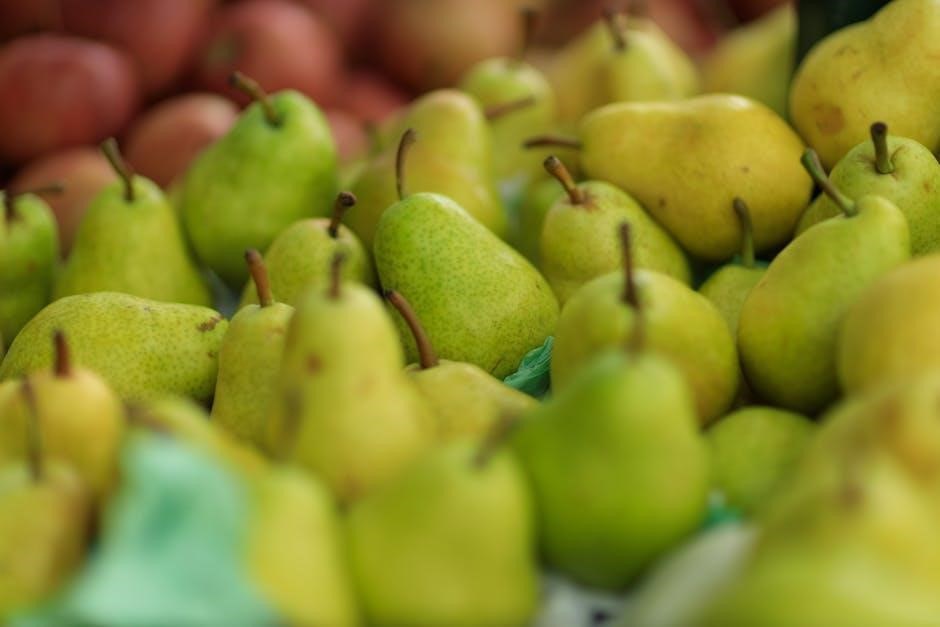
Melons, such as watermelon and cantaloupe, provide hydration and essential nutrients with minimal purine content. Peaches and pears are further examples of fruits that can be freely enjoyed within a restricted diet.
Consulting a detailed PDF ensures accurate information regarding specific purine levels and appropriate serving sizes. These fruits contribute to a balanced diet while supporting uric acid management, making them vital components of a low-purine lifestyle.
Vegetables: Safe Choices for a Low-Purine Diet
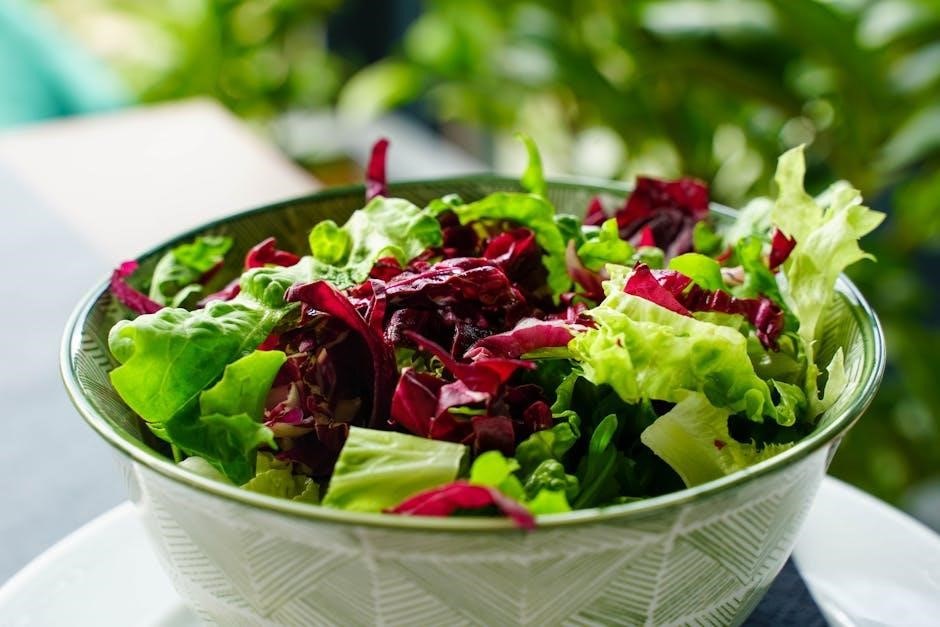
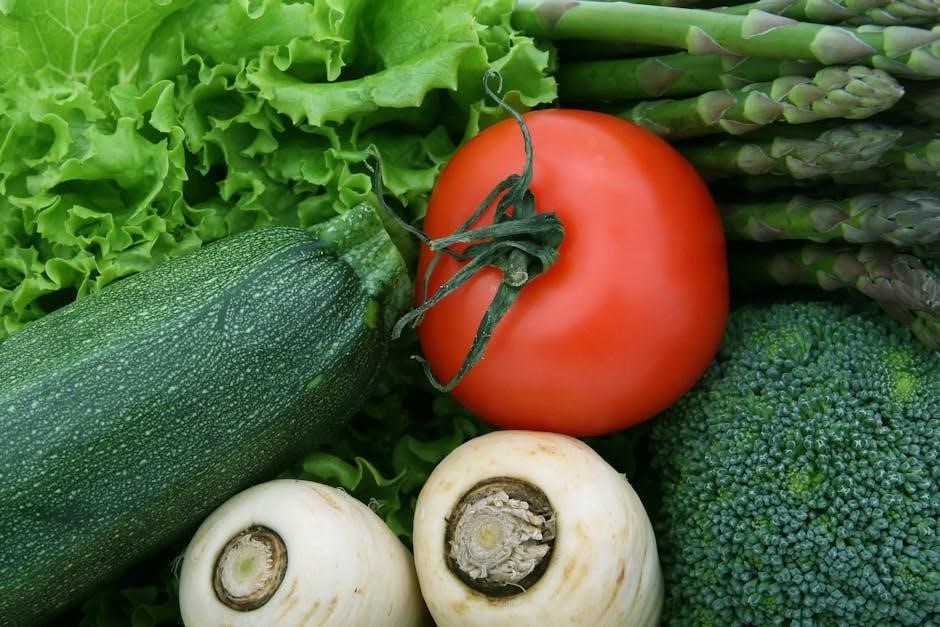
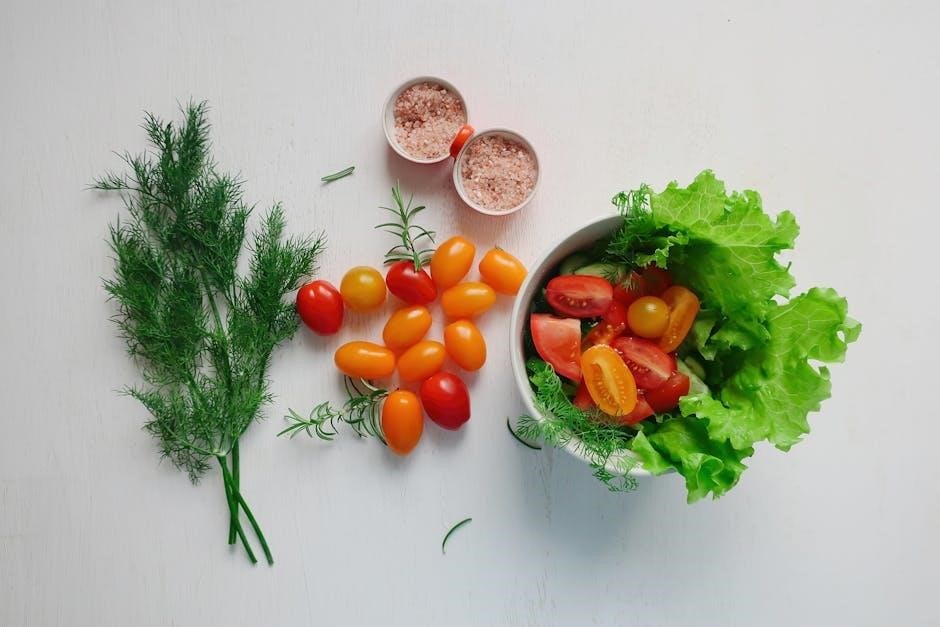
A comprehensive low purine foods list PDF emphasizes that most vegetables are naturally low in purines, making them dietary staples. Leafy greens like lettuce, spinach (in moderation – see other sections!), and kale are generally considered safe.
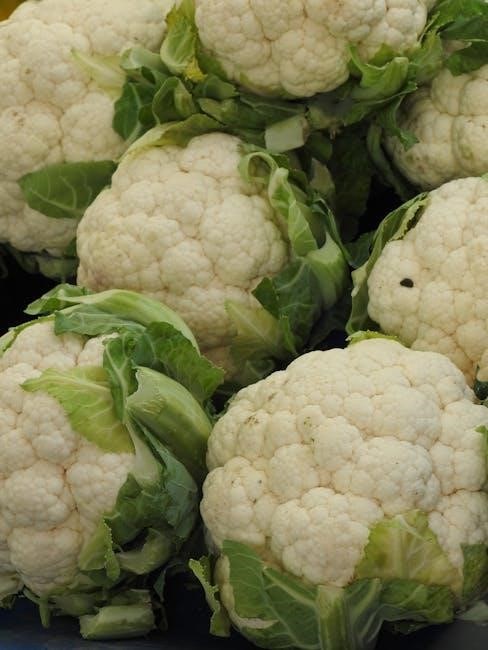
Cruciferous vegetables such as broccoli, cauliflower, and cabbage can be included, though some PDFs suggest moderate consumption. Root vegetables like carrots, potatoes, and sweet potatoes are excellent choices.
Other safe options include cucumbers, peppers, and tomatoes. Utilizing a detailed PDF ensures you understand any recommended portion sizes or specific preparation methods to further minimize purine intake. Prioritizing these vegetables supports a healthy, balanced diet alongside purine management.
Low-Purine Vegetable Options (Detailed List)
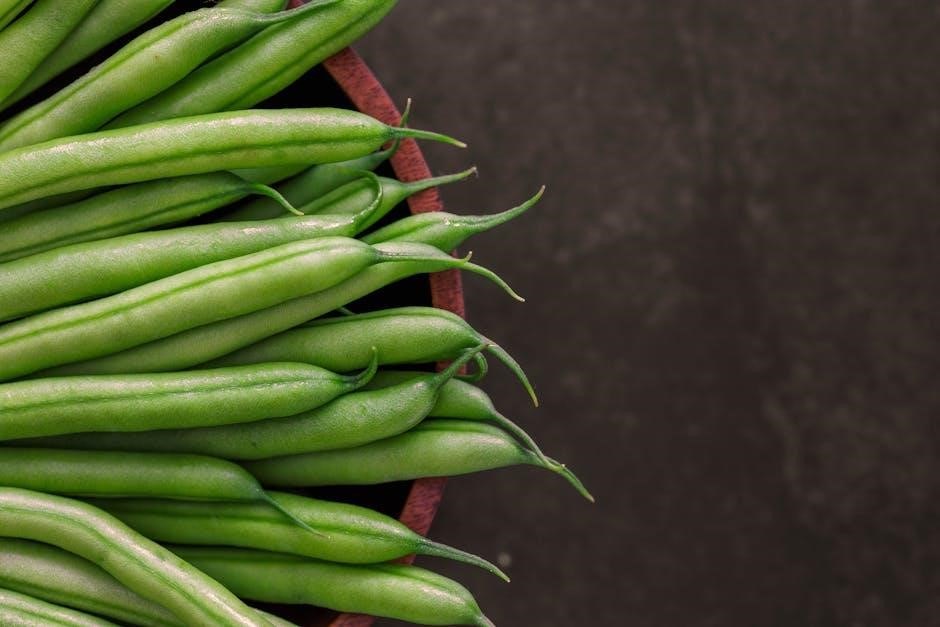
A thorough low purine foods list PDF typically details numerous vegetable choices. Excellent options include: asparagus (moderate portions), beets, bell peppers (all colors), cabbage, carrots, celery, cucumbers, eggplant, green beans, lettuce (all varieties), mushrooms, onions, peas, potatoes, pumpkin, radishes, shallots, squash (summer & winter), and turnips.
Moderate consumption is often advised for spinach and cauliflower, as indicated in many PDFs. While generally safe, portion control is key. The PDF will often specify serving sizes.
Remember to consult a complete low purine foods list PDF for the most accurate and up-to-date information, as recommendations can vary slightly. Prioritize variety within these safe choices!
Grains: Selecting the Right Carbohydrates
A comprehensive low purine foods list PDF emphasizes selecting appropriate carbohydrate sources. Generally, most grains are considered low in purines and can be included in a balanced diet. Excellent choices include white rice, brown rice, oatmeal, barley, and cornmeal.
Whole wheat bread and pasta are typically permitted, but moderation is often suggested. The low purine foods list PDF will often detail specific serving sizes.
Avoid products containing significant amounts of yeast extract, as this can elevate purine levels. Always refer to a detailed low purine foods list PDF for the most accurate guidance and to ensure optimal dietary adherence.
Recommended Low-Purine Grains
A detailed low purine foods list PDF consistently highlights several grains as excellent choices for individuals managing uric acid levels. White rice is a staple, offering a readily available and easily digestible option. Oatmeal, particularly rolled oats, provides fiber and sustained energy while remaining low in purines.
Barley is another beneficial grain, though portion control is advisable. Cornmeal, used in various dishes, is generally well-tolerated. The low purine foods list PDF often suggests prioritizing these grains over others.
Remember to consult a low purine foods list PDF for specific serving recommendations and to ensure compatibility with your individual health needs.
Dairy & Eggs: Moderate Consumption Guidelines
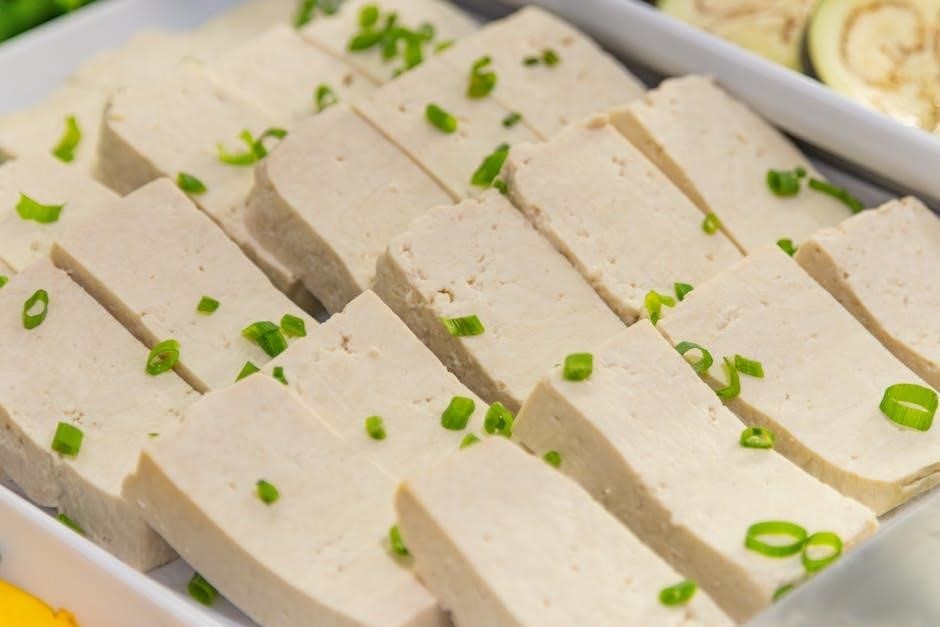
A comprehensive low purine foods list PDF indicates that dairy and eggs can be included in a low-purine diet, but moderation is key. Milk, yogurt, and cheese are generally considered safe, offering calcium and protein without significantly elevating uric acid levels.
However, the low purine foods list PDF often advises choosing low-fat or non-fat options to support overall health. Eggs, while containing some purines, are typically permitted in limited quantities – around one egg per day is a common recommendation.
Always refer to a detailed low purine foods list PDF for personalized guidance and to understand appropriate portion sizes based on individual needs and health conditions.
Low-Purine Dairy Choices
A detailed low purine foods list PDF highlights several dairy options suitable for those managing uric acid levels. Skim milk and low-fat milk are excellent choices, providing essential nutrients with minimal purine content. Yogurt, particularly plain varieties, is also generally well-tolerated, offering probiotic benefits.
Regarding cheeses, the low purine foods list PDF suggests opting for cottage cheese, ricotta cheese, and cream cheese in moderation. Hard cheeses, while delicious, may contain slightly higher purine levels, so portion control is important.

Consulting a low purine foods list PDF ensures informed decisions, allowing individuals to enjoy dairy’s benefits while adhering to dietary restrictions.
Eggs and Purine Levels
A comprehensive low purine foods list PDF generally categorizes eggs as a food with relatively low purine content, making them a viable protein source for individuals managing uric acid. However, moderation is key, as purine levels can vary slightly.
The low purine foods list PDF often recommends consuming eggs in reasonable portions – typically, one to two eggs per day – as part of a balanced diet. Preparation methods also matter; boiled, poached, or scrambled eggs are preferable to fried versions.
Always refer to a detailed low purine foods list PDF for specific guidance and consider individual tolerance levels when incorporating eggs into your dietary plan.
Foods to Limit or Avoid (High Purine Content)
A low purine foods list PDF highlights organ meats, certain seafood like anchovies, and alcoholic beverages as key items to restrict or eliminate entirely.
High-Purine Meats and Poultry
A comprehensive low purine foods list PDF will clearly identify specific meats and poultry that contribute significantly to uric acid levels, necessitating careful limitation or avoidance. Generally, organ meats – such as liver, kidney, and sweetbreads – are exceptionally high in purines and should be strictly avoided by individuals managing gout or hyperuricemia.
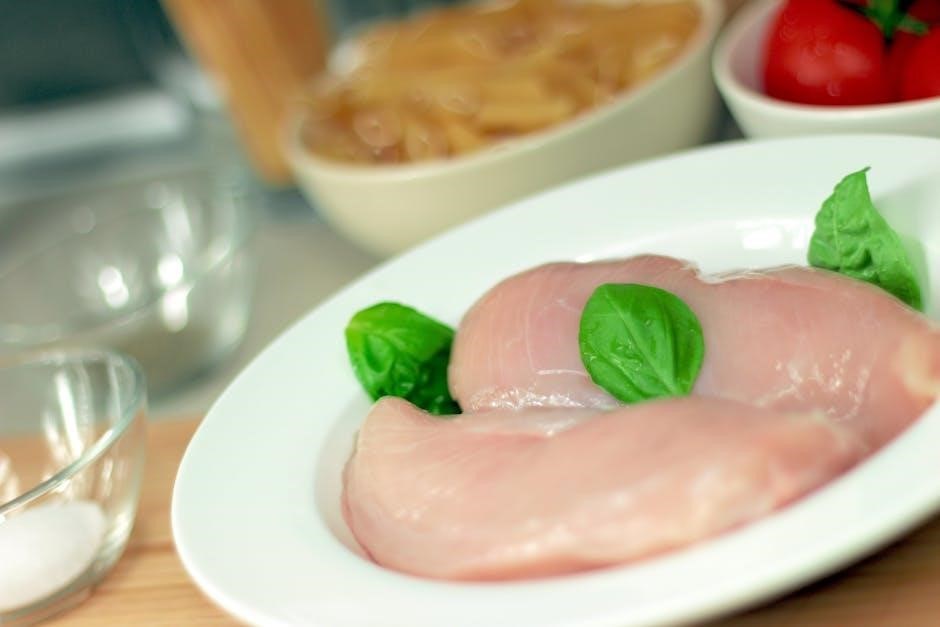
Red meats, including beef, lamb, and pork, contain moderate to high levels of purines and should be consumed sparingly. Poultry, while generally lower in purines than red meat, still requires moderation. Dark meat, like thighs and legs, typically has a higher purine content than white meat, such as chicken or turkey breast.
Consulting a detailed PDF resource ensures accurate understanding of purine content per serving, enabling informed dietary choices and effective uric acid management.
Seafood: Which Types to Steer Clear Of
A detailed low purine foods list PDF is essential for navigating the complexities of seafood consumption, as purine levels vary dramatically between species. Certain seafood choices are particularly problematic for those managing uric acid levels and should be significantly limited or avoided altogether.
Small, oily fish like anchovies, sardines, herring, and mackerel are notably high in purines. Shellfish, including mussels, scallops, and shrimp, also contribute substantially to uric acid production. Larger fish, such as tuna, while containing some purines, can be consumed in moderation compared to the high-risk options.
The PDF resource will provide a clear breakdown of purine content, empowering individuals to make informed decisions and maintain a low-purine diet effectively.
Alcohol and Purine Production
A comprehensive low purine foods list PDF should highlight the significant impact of alcohol consumption on uric acid levels. Alcohol, regardless of type, demonstrably increases purine production within the body, exacerbating the risk of gout and kidney problems.
Specifically, alcohol interferes with the kidneys’ ability to efficiently excrete uric acid, leading to its accumulation. Beer, due to its inherent purine content from brewing ingredients, poses a particularly high risk. Spirits and wine, while lacking purines themselves, still impede uric acid clearance.
The PDF resource will emphasize the importance of avoiding or severely limiting alcohol intake as a crucial component of a low-purine dietary strategy.
Other Foods to Moderate
A detailed low purine foods list PDF will extend beyond simply listing foods to avoid, also outlining those requiring moderation. Certain vegetables, while nutritious, contain moderate purine levels and should be consumed in limited quantities.
These include asparagus, spinach, mushrooms, and cauliflower. The PDF will provide guidance on appropriate serving sizes to minimize uric acid spikes. Furthermore, sugary drinks, particularly those high in fructose, are linked to increased purine production and should be restricted.
The resource will emphasize that a balanced approach, rather than complete elimination, is often sustainable, allowing for occasional enjoyment within dietary guidelines.
Specific High-Purine Vegetables (Limited Quantities)
A comprehensive low purine foods list PDF will meticulously detail vegetables requiring portion control. While vegetables are generally healthy, some contain moderate purine levels necessitating mindful consumption. Asparagus, spinach, mushrooms, and cauliflower are key examples.
The PDF will specify recommended serving sizes – typically, a half-cup or less – to minimize uric acid build-up. It will also clarify that occasional, small portions are generally acceptable within a balanced diet. Understanding these nuances is vital for individuals managing gout or kidney issues.
The document will emphasize that complete avoidance isn’t always necessary, but moderation is paramount for maintaining healthy uric acid levels.
Sugary Drinks and their Impact
A detailed low purine foods list PDF will highlight the detrimental effects of sugary beverages on uric acid levels, indirectly impacting purine metabolism. While not directly high in purines themselves, fructose-sweetened drinks significantly elevate uric acid production within the body.
The PDF will strongly advise limiting or eliminating sodas, fruit juices with added sugar, and sweetened teas. These beverages contribute to insulin resistance, further exacerbating uric acid imbalances. Water remains the optimal hydration choice for individuals following a low-purine diet.
The document will emphasize that reducing sugar intake is a crucial, often overlooked, component of managing conditions like gout and kidney problems.
Resources & Further Information
Explore khccares.com and 1-833-24RENAL for comprehensive support, including a downloadable low purine foods list PDF, to guide your dietary choices.
Finding a Comprehensive Low Purine Foods List PDF
Locating a reliable and detailed low purine foods list in PDF format is a vital step for anyone managing conditions like gout or kidney issues. Several resources offer downloadable lists, but verifying their source and accuracy is paramount.
Organizations like the Kidney Health Care Center (khccares.com) and associated helplines (1-833-24RENAL) frequently provide such resources. These PDFs typically categorize foods based on purine content – high, moderate, and low – simplifying meal planning.
When selecting a PDF, ensure it’s recently updated (like our guide, updated April 28, 2026) to reflect current dietary recommendations. Look for lists that clearly define serving sizes and offer practical guidance for incorporating low-purine options into your daily diet. University-affiliated medical centers often have excellent, evidence-based lists available online as well.